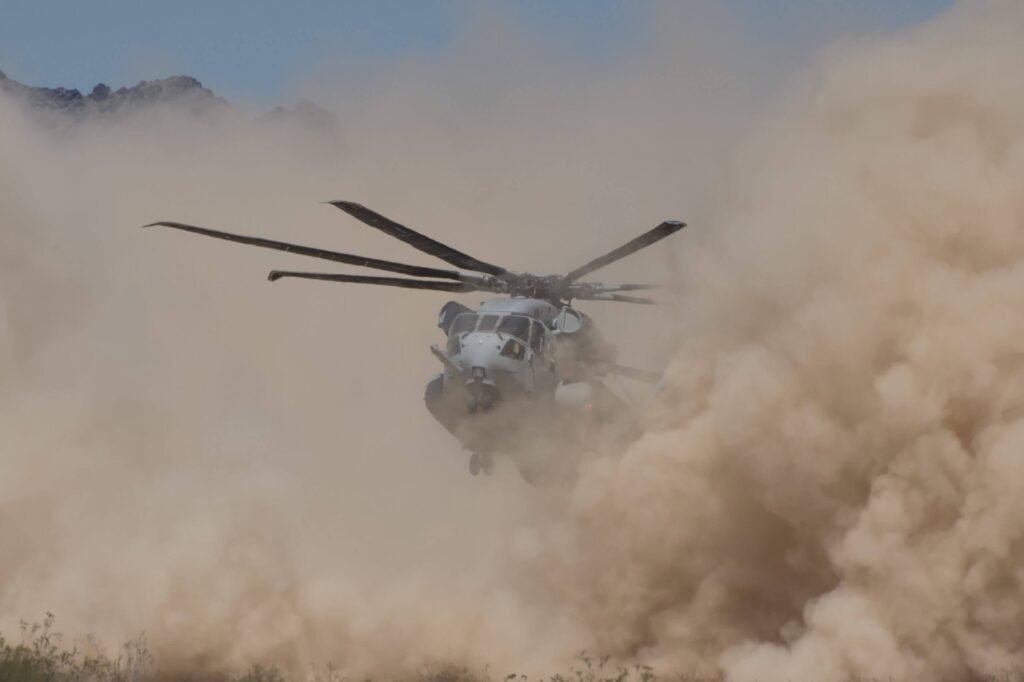
Harmattan brings dry air, dust haze, and reduced visibility—conditions that significantly affect helicopter operations. Whether you’re flying offshore, to remote sites, or between locations, these safety tips will help you stay protected and prepared.
1. Always Attend the Safety Briefing
Before boarding, listen carefully to the pilot or crew briefing. During Harmattan, special procedures may be in place due to dust, low visibility, and strong surface winds. Pay attention to:
- Emergency exits
- Seatbelt and harness use
- Brace positions
- Use of life jackets (for offshore flights)
2. Wear Proper Protective Gear
- Use eye protection (goggles or sunglasses) to guard against blowing dust.
- Wear secure footwear—no loose sandals or slippers.
- Avoid loose clothing, scarves, or headwear that could be caught in rotor wash.
3. Approach and Exit the Helicopter Safely
- Only approach or leave when directed by the crew.
- Always stay within the pilot’s line of sight.
- Approach from the front or side as instructed, never from the rear.
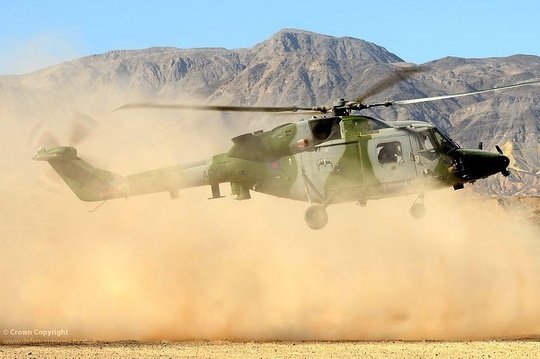
- Be cautious of strong rotor wash, which is worse during dusty Harmattan conditions.
4. Secure All Loose Items
Dust-laden winds can turn loose objects into hazards.
- Secure hats, phones, documents, and ID cards.
- Never carry loose papers or lightweight items while approaching or leaving the helicopter.
5. Expect Delays – Be Patient
Harmattan haze can reduce visibility below safe flying limits.
Never pressure crew or operators to fly in unsafe conditions—safety always comes first.
Flights may be delayed, diverted, or cancelled for safety reasons.
6. Remain Seated and Buckled at All Times
- Keep your seatbelt fastened until instructed otherwise.
- Avoid unnecessary movement inside the cabin.
- Follow all “seatbelt on” and “no movement” instructions strictly.
7. Protect Your Breathing
Dust levels are high during Harmattan:
- If provided, use face masks to reduce dust inhalation.
- If you have asthma or respiratory issues, inform the crew before the flight.
8. Stay Alert During Landing
Landings can be especially challenging due to brownout/whiteout effects (dust clouds reducing visibility).
- Stay seated and calm.
- Do not attempt to exit until the crew confirms it is safe.
9. Follow Emergency Instructions Without Panic
In the unlikely event of an emergency:
- Stay calm and follow crew commands immediately.
- Do not inflate life jackets inside the cabin.
- Move upwind after exiting to avoid dust and rotor hazards.
10. Remember the Golden Rule
If conditions are not safe, the flight will not proceed.
This decision protects you, the crew, and the aircraft.
Final Safety Reminder
Dust, haze, and wind make Harmattan a high-risk flying season—but disciplined passengers save lives.
Your cooperation, patience, and awareness are critical parts of helicopter safety.
Offshore Helicopter Safety Tips for Passengers During Harmattan Season
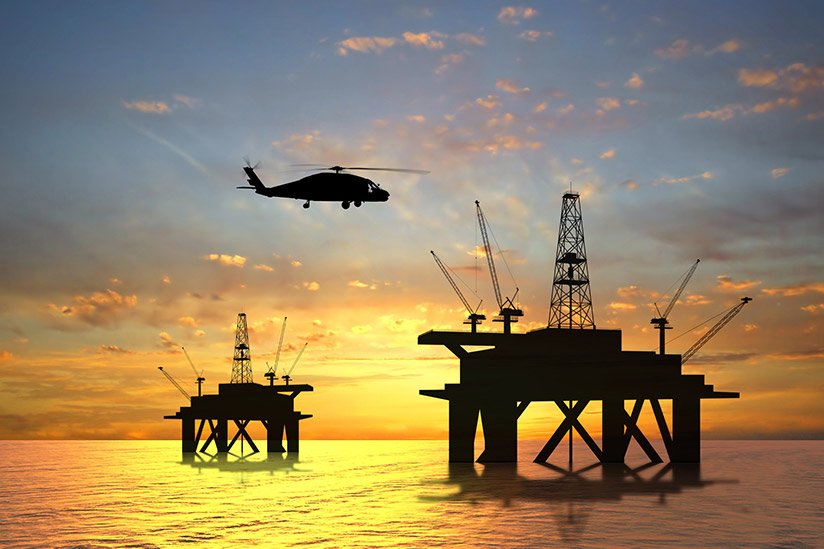
The Harmattan season introduces dust haze, low visibility, dry winds, and increased brownout risk, all of which can significantly affect offshore helicopter flights to FPSOs, platforms, rigs, and vessels. Passenger discipline is critical.
1. Mandatory Offshore Safety Briefing (No Exceptions)
Always attend and fully understand the pre-flight offshore briefing, which may include Harmattan-specific controls such as:
- Visibility limits and weather delays
- Overwater emergency procedures
- Ditching and evacuation sequence
- Helideck approach and exit routes
If you are unsure—ask before boarding.
2. Wear Approved Offshore PPE & Survival Equipment
- Approved life jacket (correctly fitted and checked)
- Emergency Breathing System (EBS) if required
- Survival suit / immersion suit (when specified)
- Eye protection to prevent dust irritation during embarkation and disembarkation
- Secure footwear only (anti-slip, enclosed)
⚠️ Never modify or loosen safety equipment for comfort.
3. Helideck Safety Is Critical During Harmattan
Dust and haze increase risk on offshore helidecks.
- Follow Helideck Landing Officer (HLO) or crew signals strictly
- Keep low and maintain balance due to strong rotor wash
- Never move toward the helicopter until signaled
- Always move away from the tail rotor and stay within marked walkways
4. Secure All Loose Items – Zero Tolerance
Harmattan winds + rotor wash = extreme hazard.
- Secure ID cards, helmets, radios, phones, and documents
- No loose papers, caps, or lightweight PPE
- Chin straps must be fastened where applicable
5. Expect Weather Delays & Cancellations
Harmattan haze can quickly reduce visibility below safe offshore limits.
- Delays, returns, or cancellations are normal safety decisions
- Never pressure pilots, HLOs, or operations teams to proceed
- Remember: Offshore rescue options are limited
6. Remain Seated & Buckled Over Water
- Seatbelt fastened at all times unless instructed
- No unnecessary movement in flight
- Know your nearest exit and brace position
This is especially important during Harmattan turbulence and reduced visibility.
7. Be Prepared for Ditching Scenarios
Offshore flights require heightened emergency awareness:
- Do not inflate life jackets inside the cabin
- Know how to deploy EBS before impact
- Follow crew instructions exactly
- After exit, move upwind and away from the aircraft
If HUET-trained, apply your training calmly and methodically.
8. Brownout During Landing – Stay Disciplined
Harmattan dust can cause brownout on offshore decks:
- Visibility may drop suddenly
- Stay seated until told to disembark
- Do not rush or stand prematurely
- Follow deck crew guidance step by step
9. Medical & Respiratory Considerations
- Inform crew if you have asthma or respiratory conditions
- Use face protection if provided
- Avoid removing masks or PPE unnecessarily during dusty conditions
10. Offshore Golden Rule
No flight is worth a life.
If Harmattan conditions are unsafe, the safest decision is not to fly.
Key Takeaway for Offshore Passengers
Your behavior directly affects offshore helicopter safety.
In Harmattan conditions, discipline, patience, and strict compliance are lifesaving controls—not formalities.
Toolbox Talk (Offshore Operations)
Audience: Offshore personnel, passengers, helideck users
Duration: 5–10 minutes
Objective: Prevent helicopter-related incidents during Harmattan season
1. Why This Toolbox Talk Matters
The Harmattan season brings dust haze, poor visibility, dry winds, and increased brownout risk. These conditions significantly raise the risk during:
- Take-off and landing
- Passenger movement on the helideck
- Emergency response offshore
Key message: Harmattan hazards cannot be controlled by pilots alone—passenger discipline is critical.
2. Main Harmattan Helicopter Hazards
During Harmattan, expect:
- Reduced visibility (dust haze)
- Brownout/whiteout during landing
- Strong rotor wash lifting dust and loose items
- Delayed response time in emergencies offshore
⚠️ Offshore rescue options are limited—prevention is the best control.
3. Before the Flight – Passenger Responsibilities
✔ Attend the mandatory safety briefing
✔ Wear all required offshore PPE and survival equipment
✔ Ensure life jacket & EBS are fitted and understood
✔ Secure all loose items (IDs, phones, caps, papers)
✔ Declare any medical or respiratory conditions
👉 If unsure about anything, ask before boarding.
4. Helideck Safety During Harmattan
- Follow HLO and deck crew instructions at all times
- Never approach or leave the helicopter without a signal
- Walk only on marked helideck routes
- Stay low and stable—rotor wash is stronger in dusty conditions
- Never move toward the tail rotor
Remember: Dust reduces visibility for both passengers and pilots.
5. In-Flight Discipline
- Remain seated and buckled at all times
- No unnecessary movement in the cabin
- Know your nearest exit and brace position
- Stay calm—turbulence may increase during Harmattan
6. Landing & Brownout Awareness
- Brownout can occur suddenly on offshore helidecks
- Visibility may drop to near zero
- Do not stand up or rush
- Exit only when instructed by the crew or HLO
7. Emergency & Ditching Awareness
In the unlikely event of an emergency:
- Follow crew instructions immediately
- Do NOT inflate life jackets inside the cabin
- Deploy EBS only when required
- After exit, move upwind and away from the aircraft
If HUET-trained—use your training calmly.
8. Common Unsafe Acts to Avoid
✘ Rushing the helicopter
✘ Ignoring helideck signals
✘ Carrying loose items
✘ Removing PPE for comfort
✘ Pressuring crew to fly in poor visibility
9. Golden Rule (Reinforce)
If Harmattan conditions are unsafe, the flight will not proceed.
This decision protects lives—respect it.
10. Takeaway Message
Harmattan helicopter safety depends on three things:
- Awareness
- Discipline
- Compliance
👉 Your actions on the helideck can save—or cost—lives.
Optional Closing Question (for Engagement)
- What Harmattan-related helicopter hazard have you personally observed offshore?