Understanding Harmattan and Its Effects
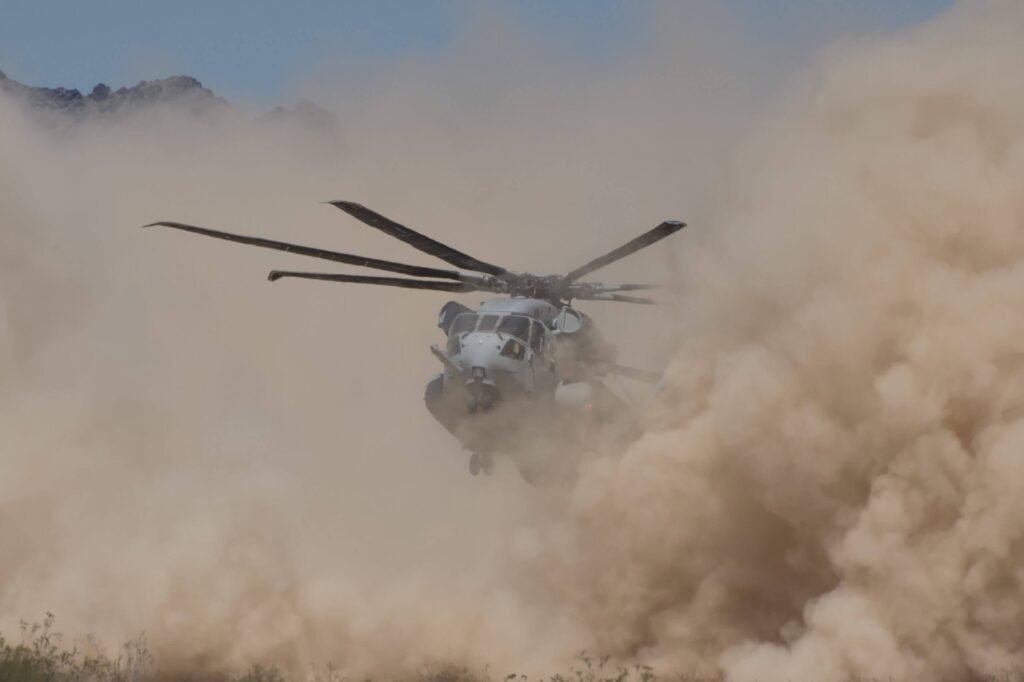
The Harmattan is a season characterized by dry and dusty northeast trade winds that sweep across West Africa, primarily from early November to mid-March. Originating from the Sahara Desert, these winds create distinctive weather patterns that significantly impact the climate and living conditions in affected regions. The most notable features of Harmattan include reduced humidity levels, cooler temperatures, and diminished visibility due to the fine dust particles suspended in the air.
During this period, average daytime temperatures can drop significantly, sometimes falling as low as 18°C (64°F), while nights may become even colder. This drastic temperature fluctuation can cause discomfort and exacerbate certain health conditions. The low humidity associated with Harmattan often leads to extremely dry air, which can result in various health issues. Individuals may experience dry skin, chapped lips, and irritation of the eyes and nasal passages. Furthermore, the dry conditions can aggravate pre-existing conditions such as asthma and other respiratory ailments.
The inhalation of dust particles during Harmattan poses significant health risks, particularly for vulnerable populations such as children, the elderly, and individuals with chronic respiratory diseases. The dust can lead to inhalation issues, increasing susceptibility to respiratory infections. Additionally, the proliferation of dust can hinder visibility, contributing to road accidents and other safety incidents.
Overall, understanding the characteristics and effects of Harmattan is essential for implementing preventive measures to mitigate health and safety risks associated with the season. Awareness of these challenges can foster better preparation and awareness among individuals and communities impacted by this unique climatic phenomenon.
Personal Protection Mechanisms
During Harmattan, individuals face various challenges that can adversely affect their health. A crucial strategy for safeguarding oneself is implementing effective personal protection mechanisms. One of the primary concerns during this season is the dryness that can affect the skin and lips. Using moisturizers is essential; products with humectants such as glycerin or hyaluronic acid can provide adequate hydration. Applying lip balms containing natural oils or beeswax will also help prevent chapping and cracking, protecting sensitive lips against the harsh elements.
Furthermore, the Harmattan season is characterized by dry, dusty winds that can lead to respiratory issues. To mitigate these risks, wearing protective masks can be instrumental. Masks equipped with filters can effectively trap dust particles and allergens, reducing inhalation of potentially harmful pollutants. Opting for masks that provide a proper fit will enhance their effectiveness and ensure comfort throughout daily activities.
In addition to skin and respiratory protection, selecting appropriate clothing is vital in combating the cold temperatures and dryness commonly associated with Harmattan. Layering clothing can provide insulation, with materials such as wool or thermal fabrics being preferable. Furthermore, wearing a scarf can protect the face and neck area from cold air and dust exposure, while gloves can help maintain warmth in the extremities.
Staying adequately hydrated is another critical aspect of maintaining health during this period. Drinking plenty of water and consuming hydrating foods can alleviate the dehydrating effects of the dry season. Herbal teas and soups are excellent choices, as they provide warmth and additional hydration. By incorporating these personal protection mechanisms, individuals can significantly reduce their risk of health and safety incidents during the Harmattan season.
The Harmattan season, characterized by dry and dusty winds, poses distinct health and safety challenges both at home and in the workplace. To mitigate these risks, it is essential to implement specific safety protocols. One of the most effective measures involves maintaining good indoor air quality. Utilizing air purifiers can significantly help in filtering out airborne dust particles. These devices, equipped with high-efficiency particulate air (HEPA) filters, can reduce the levels of dust and allergens, ensuring a healthier environment for everyone.
Additionally, keeping windows closed is imperative to limit the entry of dust from outside. Sealing gaps around doors and windows can also prevent unwanted dust infiltration, further enhancing air quality indoors. It is advisable to regularly clean surfaces with damp cloths rather than dry dusters, as the latter may only disperse dust into the air. Frequent cleaning routines should include vacuuming carpets and upholstery, as well as wiping down flat surfaces such as furniture and electronic devices.
Effective communication is crucial when navigating potential visibility issues or health incidents caused by the Harmattan. Establishing an emergency protocol for both homes and workplaces can prepare individuals to respond swiftly to situations such as sudden dust storms. Ensuring that everyone is informed of these protocols can minimize panic and confusion. Regular drills and updates can keep safety measures fresh in the minds of all household members and employees.
Moreover, it is prudent to have recommended safety equipment and first aid supplies readily available. Essential items such as dust masks, first-aid kits, and bottled water can be life-saving during periods of severe weather. Ensuring these supplies are stocked and accessible will provide reassurance and preparedness, thereby sustaining health and safety during the Harmattan season.
Community Awareness and Action
Effective prevention of health and safety incidents during Harmattan hinges significantly on community awareness and collective action. As this dry and dusty season can exacerbate health issues, particularly for vulnerable populations, it is crucial that education programs are implemented to inform the community about the associated health risks and recommended safety practices.
Local health authorities play a vital role in this initiative. Collaborating with them can facilitate the dissemination of important health information tailored to address Harmattan-related challenges, such as respiratory problems due to dust inhalation, dehydration, and the impact on pre-existing medical conditions. Regular workshops, informational flyers, and community meetings can serve as platforms to educate residents about protective measures, including staying hydrated, wearing masks, and maintaining good indoor air quality.
Moreover, communities must consider their most vulnerable members, including the elderly and individuals with chronic health conditions. Establishing support networks to check in on these populations can significantly enhance their resilience against Harmattan’s adverse effects. This could involve organizing group activities where volunteers assist with the distribution of health resources or simply providing companionship to those who may feel isolated due to health concerns.
Social media channels can also be a useful tool for community engagement. By sharing timely information and updates about weather conditions and health tips, residents can stay informed and alert to emerging issues. Encouraging community members to share their experiences and tips not only fosters a sense of solidarity but also enhances the collective knowledge of the community.
Ultimately, fostering community awareness and taking collective action creates a robust framework for minimizing health and safety incidents during Harmattan. Through education, collaboration, and community support, individuals can protect themselves and their neighbors, leading to a healthier, safer environment for all during this challenging season.