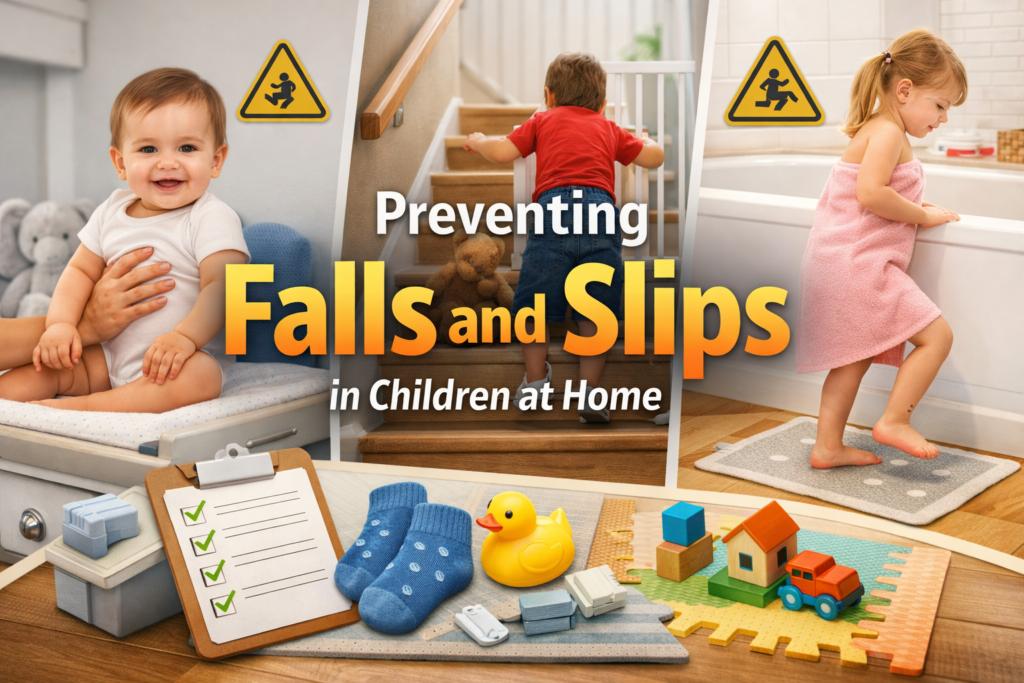
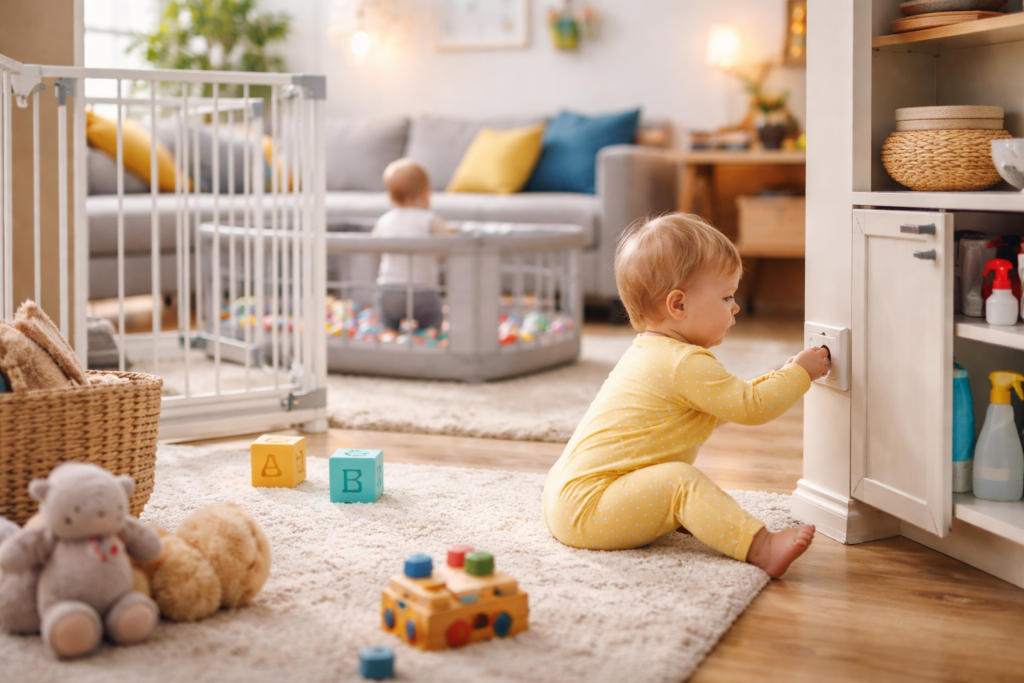
Childproofing your home is one of the most important steps parents and caregivers can take to protect children from preventable injuries. Homes are designed for adults, but everyday items—furniture, appliances, cords, chemicals, and even water—can pose serious risks to infants and young children. A systematic, room-by-room approach helps you identify hazards and apply practical safety controls that grow with your child.
This comprehensive guide provides professional, evidence-based childproofing tips for every area of the home, helping you create a safer environment without compromising comfort or functionality.
Why Childproofing Matters
Children are naturally curious and learn through exploration. According to global injury prevention data, most childhood injuries occur at home and are largely preventable through environmental controls and supervision. Effective childproofing reduces risks related to:
- Falls and tip-overs
- Burns and scalds
- Poisoning and choking
- Drowning and suffocation
- Electrical injuries
Childproofing is not a one-time task—it should be reviewed regularly as your child grows and gains new abilities.
General Childproofing Principles (Before Room-by-Room)
Before focusing on individual rooms, apply these universal safety measures throughout your home:
- Install safety gates at stairways and restricted areas
- Secure heavy furniture and TVs to walls using anti-tip brackets
- Cover electrical outlets with tamper-resistant covers
- Keep small objects out of reach to prevent choking
- Use cord shorteners or keep blind/curtain cords inaccessible
- Maintain working smoke alarms and carbon monoxide detectors
Living Room & Family Areas Safety
Living rooms often contain furniture, electronics, and décor that can be hazardous to children.
Key Hazards
- Furniture tip-overs
- Sharp corners
- Electrical cords and sockets
- Small decorative objects
Childproofing Tips
- Anchor bookshelves, cabinets, and TVs to the wall
- Use corner and edge guards on coffee tables and TV stands
- Hide or secure electrical cords behind furniture
- Remove breakable or small décor items from low surfaces
- Install fireplace guards and keep matches and lighters locked away
Kitchen Childproofing Guide
The kitchen is one of the most dangerous rooms for children due to heat, sharp objects, and chemicals.
Key Hazards
- Burns from stoves and hot liquids
- Cuts from knives and utensils
- Poisoning from cleaning products
Childproofing Tips
- Install childproof locks on cabinets and drawers
- Store knives and sharp tools in locked or high drawers
- Turn pot handles inward when cooking
- Use stove knob covers and oven locks
- Keep cleaning products and chemicals in locked cabinets
- Never leave a child unattended near cooking appliances
Bathroom Safety for Children
Bathrooms present serious risks related to water, chemicals, and electrical appliances.
Key Hazards
- Drowning
- Slips and falls
- Poisoning from toiletries and medications
Childproofing Tips
- Never leave a child alone in the bath—even briefly
- Use non-slip mats inside and outside the bathtub
- Install toilet locks to prevent drowning
- Store medications, cosmetics, and cleaning products in locked cabinets
- Set water heater temperature to a safe level to prevent scalding
Bedroom & Nursery Childproofing
Bedrooms should be calm, safe spaces that support rest and play.
Key Hazards
- Unsafe sleep environments
- Choking hazards
- Furniture instability
Childproofing Tips
- Follow safe sleep guidelines: firm mattress, no loose bedding for infants
- Secure dressers and wardrobes to the wall
- Keep cords from monitors or blinds out of reach
- Avoid toys with small detachable parts
- Use window guards or stops to prevent falls
Stairways, Hallways & Entryways
Falls are one of the leading causes of home injuries among children.
Key Hazards
- Unprotected stairs
- Slippery floors
- Doors leading outside
Childproofing Tips
- Install safety gates at the top and bottom of stairs
- Ensure stair railings are secure and well-lit
- Keep floors free of clutter
- Use door locks or alarms on exterior doors
- Store shoes and bags neatly to avoid tripping hazards
Laundry Room & Storage Areas
These areas often contain chemicals and appliances that can be dangerous.
Key Hazards
- Detergent pods
- Heavy appliances
- Sharp tools
Childproofing Tips
- Store detergents and chemicals in locked cabinets
- Keep appliances closed and unplugged when not in use
- Secure irons, tools, and cords out of reach
- Avoid leaving buckets or containers filled with water
Outdoor & Balcony Safety
Outdoor spaces can be just as hazardous as indoor ones.
Key Hazards
- Falls from height
- Drowning in pools or water containers
- Exposure to chemicals or tools
Childproofing Tips
- Install child-safe locks and railings on balconies
- Fence swimming pools with self-locking gates
- Empty buckets, basins, and tubs immediately after use
- Store gardening tools and chemicals securely
- Ensure play equipment is age-appropriate and stable
Childproofing Checklist (Quick Reference)
- Furniture anchored to walls
- Safety gates installed
- Chemicals and medicines locked away
- Electrical outlets covered
- Non-slip mats in bathrooms
- Smoke and CO detectors working
Ongoing Safety: Review and Adapt
Childproofing should evolve as children grow. What works for a crawling baby may not be sufficient for a curious toddler or active preschooler. Conduct regular safety checks, especially after moving furniture, introducing new appliances, or reaching new developmental milestones.
Final Thoughts
Childproofing your home is a proactive investment in your child’s health, safety, and wellbeing. By applying a structured, room-by-room approach, you can significantly reduce risks and create a secure environment where children can explore, learn, and grow safely.
A safer home doesn’t limit childhood—it protects it.