Hand tools are the backbone of countless industries—from construction and manufacturing to oil and gas, utilities, and even home improvement. Despite their simplicity, these tools pose serious safety risks when misused, poorly maintained, or taken for granted. Hand tool safety is a fundamental component of workplace health, safety, security, and environment (HSSE) strategies, and overlooking it can lead to avoidable injuries, operational downtime, and even legal liabilities.
In the broader context of Tools & Equipment Safety, understanding the risks and best practices related to hand tools is not just helpful—it’s necessary. This article serves as a comprehensive guide for HSSE professionals, supervisors, and frontline workers aiming to minimize hazards and promote a culture of safe tool usage.
Understanding Hand Tools
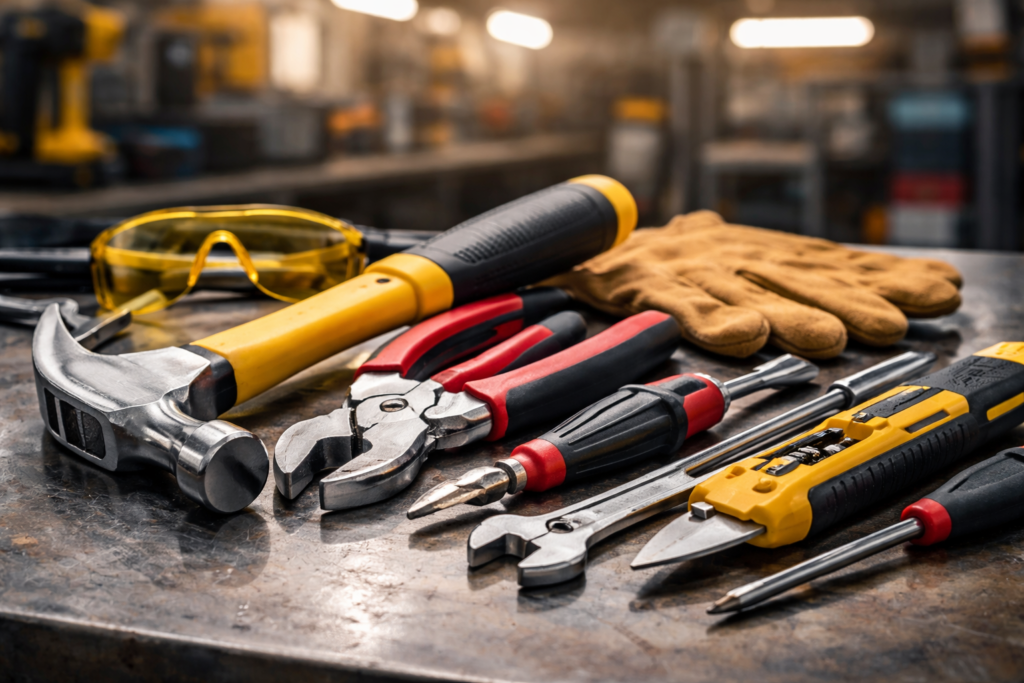
Hand tools are manually operated devices designed to aid in performing specific tasks without the need for power. These include items like hammers, screwdrivers, pliers, wrenches, and chisels. Unlike power tools, hand tools rely solely on human strength and precision.
They are used in virtually every industry:
- Construction: for framing, measuring, cutting, and fixing
- Electrical work: insulated screwdrivers, wire strippers
- Plumbing: pipe wrenches, hacksaws
- Automotive repair: socket sets, ratchets
- Agriculture and landscaping: pruning shears, spades, hoes
While they appear straightforward, improper use or lack of safety controls can quickly turn them into sources of harm.
The Role of HSSE in Hand Tool Safety
HSSE frameworks play a crucial role in identifying, mitigating, and managing risks associated with hand tools. Safety professionals are tasked with:
- Conducting risk assessments before work begins
- Implementing safe systems of work and standard operating procedures (SOPs)
- Monitoring compliance with company and legal safety standards
- Ensuring employee training and competency
- Facilitating incident investigations and root cause analysis
From procurement to end-of-life disposal, HSSE must ensure hand tools are safe, suitable, and used responsibly across the workforce.
Common Hazards Associated with Hand Tools
Despite their size, hand tools can cause serious injuries. Understanding the types of hazards they present is key to developing effective prevention strategies:
- Cuts and Abrasions: Common with knives, saws, and chisels—especially when blades are dull or misused.
- Eye Injuries: Flying debris from chisels or struck tools can cause serious eye damage.
- Musculoskeletal Disorders (MSDs): Repetitive use, awkward postures, or excessive force can lead to long-term injuries.
- Impact Injuries: Hammers and mallets can cause blunt force trauma if they strike hands, feet, or other body parts.
- Puncture Wounds: Sharp tools like awls or screwdrivers can easily puncture the skin.
- Repetitive Strain Injuries (RSIs): Caused by repeated motion or vibration over time.
- Electrical Hazards: When working near live components, using non-insulated tools can result in electric shock.
Each of these hazards has a pattern—and with proper controls, most are entirely preventable.
Root Causes of Hand Tool Injuries
Injury statistics often trace back to a few recurring causes:
- Wrong Tool for the Job: Forcing a screwdriver as a chisel? That’s a recipe for disaster.
- Lack of Maintenance: Dull blades, cracked handles, and loose components are common culprits.
- Poor Training: If workers aren’t shown how to use tools correctly, they’re more likely to misuse them.
- Improper Storage: Tools left on floors, ladders, or unsecured can become tripping or falling hazards.
- Fatigue and Time Pressure: Rushing often leads to shortcuts—and shortcuts lead to injuries.
- No PPE Usage: Many workers skip protective equipment thinking the job is “quick” or “safe enough.”
Addressing these root causes requires a proactive, structured approach to safety.
Most Dangerous Hand Tools and Their Risks
Some hand tools are involved in injuries more often than others. Here’s a breakdown of high-risk items:
| Tool | Common Injuries | Risk Factor |
|---|---|---|
| Utility Knives | Deep cuts, lacerations | Dull blades, uncontrolled slips |
| Screwdrivers | Punctures, eye injuries | Incorrect size or leverage |
| Hammers | Bruises, fractures | Missed hits, tool recoil |
| Pliers | Strain injuries | Over-tight gripping, worn joints |
| Wrenches | Knuckle injuries | Slipping from fasteners |
| Hand Saws | Cuts, repetitive strain | Incorrect technique, lack of PPE |
Understanding the unique risks of each tool helps in choosing and using them more wisely.
Preventive Measures: Best Practices for Hand Tool Safety
When it comes to hand tools, prevention is always better than cure. Simple measures, when consistently applied, can drastically reduce injury rates. Let’s break down the best practices every HSSE manager and frontline worker should adopt.
- Choose the Right Tool: Always use the correct tool for the task. Don’t improvise—a wrench is not a hammer, and a screwdriver is not a pry bar. Using the right tool reduces physical strain and prevents tool failure.
- Inspect Before Use: Before every shift or task, perform a visual inspection. Look for:
- Cracks in handles
- Worn edges or tips
- Loose parts or joints
- Corrosion or rust
- Maintain Sharpness and Cleanliness: Dull blades force the user to apply more pressure, increasing the chance of slips. Keep blades and edges sharp and tools clean.
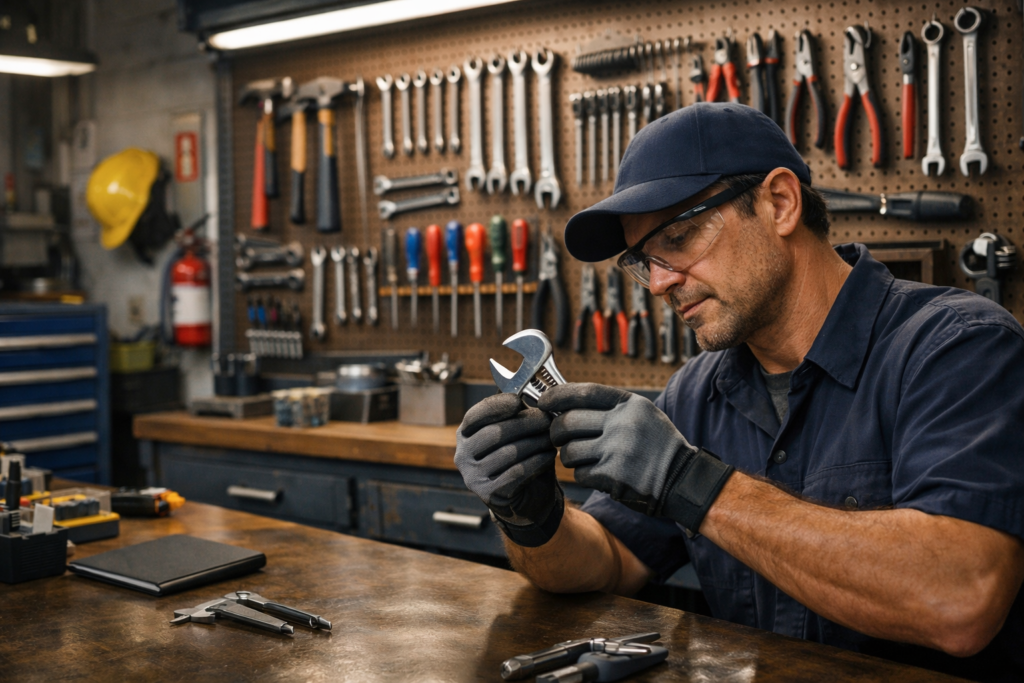
- Use Proper Technique: Always cut away from your body. Keep hands clear of striking areas. Avoid overreaching, and ensure your footing is stable.
- Stay Focused: Distractions and multitasking with tools in hand are dangerous. Stay focused and avoid using hand tools if you’re tired or rushing.
- Store Tools Safely: When not in use, return tools to their proper storage—never leave them on ladders, scaffolds, or the ground.
- Replace Damaged Tools Promptly: Don’t delay replacement. A compromised tool is a liability.
When workers are trained and encouraged to follow these practices, they take ownership of their safety, reducing risk at every level.
Training and Competency Requirements
Competency isn’t just about knowing how to hold a tool—it’s about understanding its risks, usage limits, and maintenance needs. That’s where training plays a critical role.
- Initial Induction Training: All new hires should undergo tool safety training as part of onboarding. It should cover:
- Tool selection and identification
- Common hazards
- Personal protective equipment (PPE)
- Maintenance basics
- Toolbox Talks: Regular, short safety briefings reinforce key safety messages and are excellent for discussing recent incidents or near misses.
- Hands-on Demonstrations: Especially effective for complex or high-risk tasks—seeing proper technique firsthand builds muscle memory.
- Refresher Courses: Offered periodically to keep safety knowledge fresh and updated with current standards or tools.
Certification or documented competency assessments ensure that each team member can use hand tools safely and effectively. It’s not just about ticking a compliance box—it’s about building a culture of safe workmanship.
Use of Personal Protective Equipment (PPE)
PPE is the last line of defense against injury, and it must match the specific risks of the hand tool in use. Here are the essentials:
- Safety Gloves: Protect against cuts, abrasions, and punctures. However, be mindful not to wear loose gloves near rotating tools.
- Safety Glasses or Goggles: Mandatory when working with cutting tools or anything that can send particles flying.
- Steel-Toe Boots: Shield your feet from falling tools.
- Hard Hats and Hearing Protection: Depending on the environment, these may also be necessary, especially in high-traffic or construction areas.
PPE should always be in good condition and correctly sized. Damaged or poorly fitting gear can create more hazards than it prevents. Training should include proper PPE selection and use—not just checking it off a list.
Proper Tool Storage and Housekeeping
How and where tools are stored is just as important as how they’re used. Good housekeeping practices prevent tools from becoming trip hazards or being damaged between uses.
- Toolboxes and Cabinets: Keep tools organized and off the floor. Use foam inserts or shadow boards to ensure tools are returned after use.
- Shadow Boards: These visual storage systems make it easy to see when tools are missing and promote accountability.
- Belt Holsters or Pouches: Keep tools secured when climbing ladders or scaffolding.
- Clean Work Areas: Never leave tools lying around—especially sharp or heavy ones.
Regular audits of tool storage areas and designated “clean-up times” help enforce habits that keep everyone safe and productive.
Maintenance, Inspection, and Replacement Protocols
A safe tool is a maintained tool. Every company should have clear procedures for inspecting, servicing, and retiring hand tools.
- Daily Inspections: Workers should inspect their tools at the beginning of each shift. Look for:
- Frayed grips
- Bent shafts
- Dull or chipped cutting edges
- Loose parts
- Scheduled Maintenance: Supervisors or HSSE staff should conduct routine maintenance based on usage frequency. For example:
- Weekly checks for high-use tools
- Monthly checks for specialty tools
- Replacement Policy: Any tool that shows significant wear or damage should be tagged out and replaced. Repairing tools should only be done by trained personnel using manufacturer-approved parts.
Documenting inspections and maintenance builds a history that can be reviewed during audits or incident investigations.
Reporting and Investigating Hand Tool Incidents
Accidents involving hand tools must be reported, even if they seem minor. Why? Because every incident is a data point that can lead to improved safety practices.
- Immediate Reporting: Encourage all workers to report incidents or near misses, no matter how small. Create a blame-free environment.
- Accident Investigation: HSSE teams should:
- Interview witnesses
- Examine the tool involved
- Identify root causes (e.g., fatigue, tool failure, lack of training)
- Recommend corrective actions
- Trend Analysis: Over time, collecting data helps identify patterns—such as certain tools being linked to repeated incidents—and allows targeted improvements.
Incident reporting is about learning, not punishment. When done correctly, it’s one of the most valuable safety tools available.
Creating a Safety Culture Around Tool Use
A safety culture is more than procedures—it’s an attitude that everyone from leadership to apprentices shares.
- Lead by Example: Supervisors and senior workers must model correct tool usage and PPE compliance.
- Empowerment: Workers should feel confident stopping unsafe work or suggesting better practices.
- Feedback Loops: Safety isn’t static. Encourage input from those using the tools daily and implement practical improvements.
- Recognition: Acknowledge safe behavior—whether through verbal praise, safety awards, or recognition boards.
When safety becomes second nature, tool-related injuries drop significantly—and productivity often rises alongside it.
Compliance and Regulatory Considerations
In many regions, hand tool safety is more than just a best practice—it’s a legal requirement.
- OSHA (Occupational Safety and Health Administration): In the U.S., OSHA standard 1910 Subpart P outlines requirements for hand and power tool safety.
- Company Policies: Many organizations have HSSE handbooks or SOPs that go beyond regulatory minimums.
- Manufacturer Guidelines: Always follow instructions provided by the toolmaker—especially regarding maintenance and usage limits.
Staying compliant means more than avoiding fines—it keeps your team protected and your operations running smoothly.
Conclusion
Hand tools are essential, but they’re not harmless. Every year, countless workers suffer injuries that could have been prevented with better tool selection, safer techniques, and proper training. That’s why HSSE professionals, team leads, and frontline workers must all share the responsibility of keeping tool use safe and effective.
From inspecting tools daily to wearing the right gloves, from reporting incidents to fostering a safety culture—every step counts. The more proactive we are, the safer the worksite becomes.
Make safety your standard, not your exception.
FAQs
1. What are the top 3 hand tool safety rules?
Always use the right tool for the job, inspect tools before use, and wear appropriate personal protective equipment.
2. How often should hand tools be inspected?
At minimum, tools should be inspected before each use and periodically through scheduled maintenance programs.
3. What PPE should be used with hand tools?
Depending on the task: safety gloves, eye protection, steel-toe boots, and occasionally hard hats or hearing protection.
4. Are hand tool injuries recordable under OSHA?
Yes, if the injury results in medical treatment beyond first aid, lost time, or restricted work, it must be recorded.
5. Can dull tools be more dangerous than sharp ones?
Absolutely. Dull tools require more force, increasing the risk of slips and resulting in more severe injuries.
Please don’t forget to leave a comment.