For parents, nothing matters more than a child’s safety—especially when they are away from home at school. While schools work hard to provide a secure learning environment, parental awareness and involvement remain critical to preventing accidents, injuries, and emergencies.
From classroom hazards and playground risks to bullying, health concerns, and transportation safety, school environments present a wide range of potential risks. This guide provides practical, age-appropriate, and proactive school safety tips every parent should know to help protect children and support a strong safety culture at school.
Why School Safety Matters
Children spend a significant portion of their day at school. According to safety and child-health research, many preventable injuries occur during:
- Playground activities
- Physical education classes
- School transportation
- Break times and transitions
Beyond physical hazards, schools also face emotional, social, and health-related safety challenges. A safe school environment supports:
- Better learning outcomes
- Improved mental health
- Stronger student confidence
- Reduced absenteeism
1. Teaching Children Personal Safety Awareness
One of the most effective safety tools is education. Children who understand risks are better equipped to avoid them.
What Parents Should Teach
- Knowing their full name, parent’s name, and emergency contact numbers
- Understanding safe vs unsafe behavior
- How to ask for help from trusted adults (teachers, school staff)
- Never leaving school grounds without permission
- What to do if they feel uncomfortable or unsafe
Age-Appropriate Approach
- Young children: Simple rules and repetition
- Older children: Scenario-based discussions and problem-solving
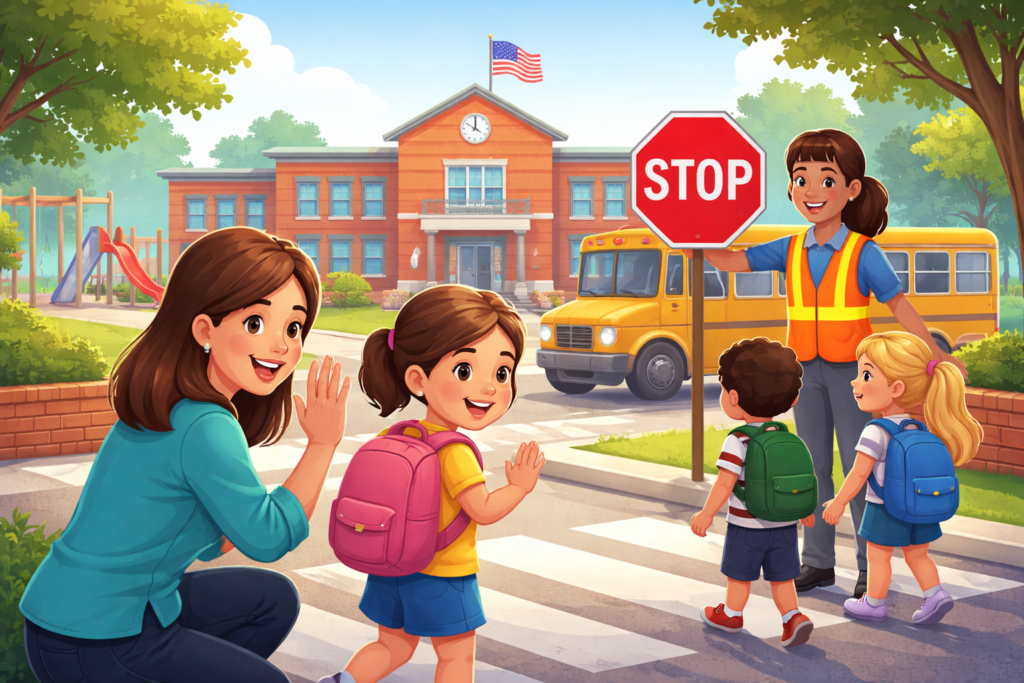
2. School Drop-Off and Pick-Up Safety
Traffic accidents are among the most common school-related incidents.
Key Safety Tips
- Use designated drop-off and pick-up zones
- Teach children to:
- Look both ways before crossing
- Use pedestrian crossings
- Avoid running near vehicles
- Never allow children to:
- Play in parking areas
- Enter vehicles with strangers
Parents should also model safe driving behavior—children learn by example.
3. Bus and Transportation Safety
If your child uses a school bus or public transportation, safety rules are essential.
Teach Your Child To:
- Wait in a safe area away from traffic
- Board and exit the bus calmly
- Remain seated while the bus is moving
- Keep hands and head inside the bus
- Follow the driver’s instructions at all times
For Parents
- Know the bus route and schedule
- Confirm the school’s transportation safety policies
- Report unsafe driving or overcrowding immediately
4. Classroom Safety and Emergency Preparedness
Children should know how to respond during school emergencies.
Essential Skills to Teach
- Recognizing emergency alarms
- Following teacher instructions without panic
- Knowing evacuation routes
- Understanding lockdown and shelter-in-place procedures (in a calm, age-appropriate way)
Parents should also:
- Ask if the school conducts regular safety drills
- Confirm the presence of first aid kits and trained staff
- Ensure emergency contact details are always updated
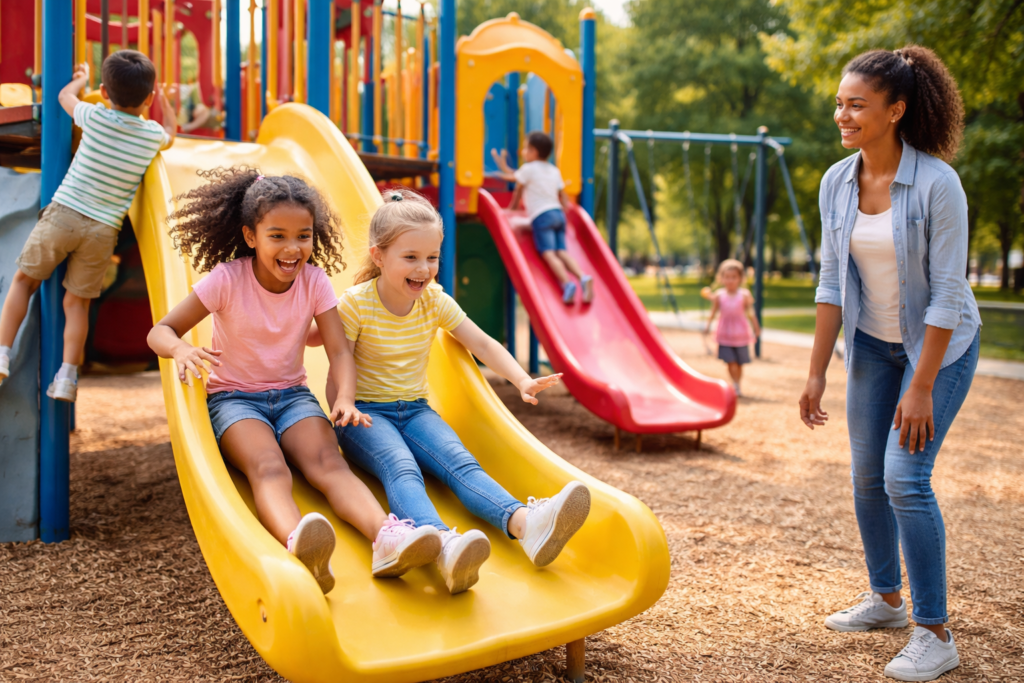
5. Playground and Physical Activity Safety
Playgrounds are fun—but injuries are common without proper supervision and rules.
Safety Tips for Children
- Use equipment as intended
- No pushing, shoving, or rough play
- Wear appropriate footwear
- Report broken equipment or injuries immediately
What Parents Can Do
- Ask about playground inspections
- Encourage children to speak up if they feel unsafe
- Support the use of protective gear during sports activities
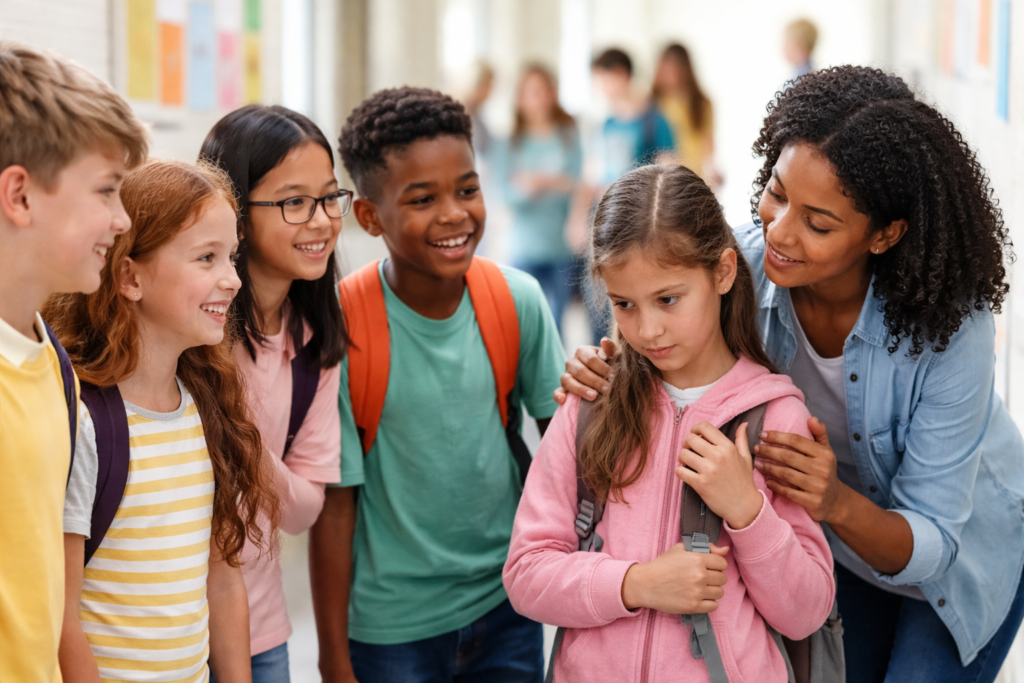
6. Bullying Prevention and Emotional Safety
School safety is not only physical—emotional and psychological safety are equally important.
Warning Signs of Bullying
- Sudden fear of going to school
- Unexplained injuries or lost belongings
- Mood changes, anxiety, or withdrawal
- Decline in academic performance
How Parents Can Help
- Maintain open, judgment-free communication
- Teach children to report bullying
- Work with teachers and school counselors
- Reinforce kindness, empathy, and respect at home
7. Health, Hygiene, and Infection Prevention
Schools can easily spread illnesses if hygiene practices are poor.
Teach Children Good Habits
- Regular handwashing
- Covering coughs and sneezes
- Avoiding sharing food, bottles, or personal items
- Reporting illness symptoms early
Parents should also:
- Keep sick children at home
- Ensure vaccinations are up to date
- Inform the school of allergies or medical conditions
8. Stranger Awareness and Boundary Education
Children should understand how to stay safe around unfamiliar people.
Key Lessons
- Do not leave school with anyone not approved by parents
- Never accept gifts, rides, or favors from strangers
- Trust instincts and seek help if something feels wrong
- Understand body boundaries and consent
This education should be calm, empowering, and non-fear-based.
9. Online Safety and Digital Awareness at School
With increased use of digital learning tools, cyber safety is now part of school safety.
Teach Children To:
- Protect passwords
- Avoid sharing personal information online
- Report cyberbullying or inappropriate messages
- Use school devices responsibly
Parents should monitor online activity and understand the school’s digital safety policies.
10. Building a Strong Parent–School Safety Partnership
The safest schools are those where parents and educators work together.
How Parents Can Stay Involved
- Attend school safety meetings
- Volunteer when possible
- Know teachers and administrators
- Review school safety policies
- Advocate for improvements where needed
Final Thoughts: Safety Starts With Awareness
School safety is a shared responsibility. When parents take an active role in educating their children, communicating with schools, and reinforcing safe behaviors at home, the risk of accidents, injuries, and harm is significantly reduced.
By teaching children awareness, preparedness, and confidence, parents help create not just safer schools—but safer communities.
Frequently Asked Questions (FAQs)
What is the most important school safety rule for children?
Knowing how to ask for help and following school rules consistently are the most critical safety behaviors.
How can parents help prevent school accidents?
By teaching safety awareness, maintaining communication with the school, and modeling responsible behavior.
At what age should children learn school safety rules?
Basic safety education can start as early as preschool and should grow with the child’s age and maturity.
How often should schools review safety procedures?
Ideally, safety procedures should be reviewed and practiced at least once every term.