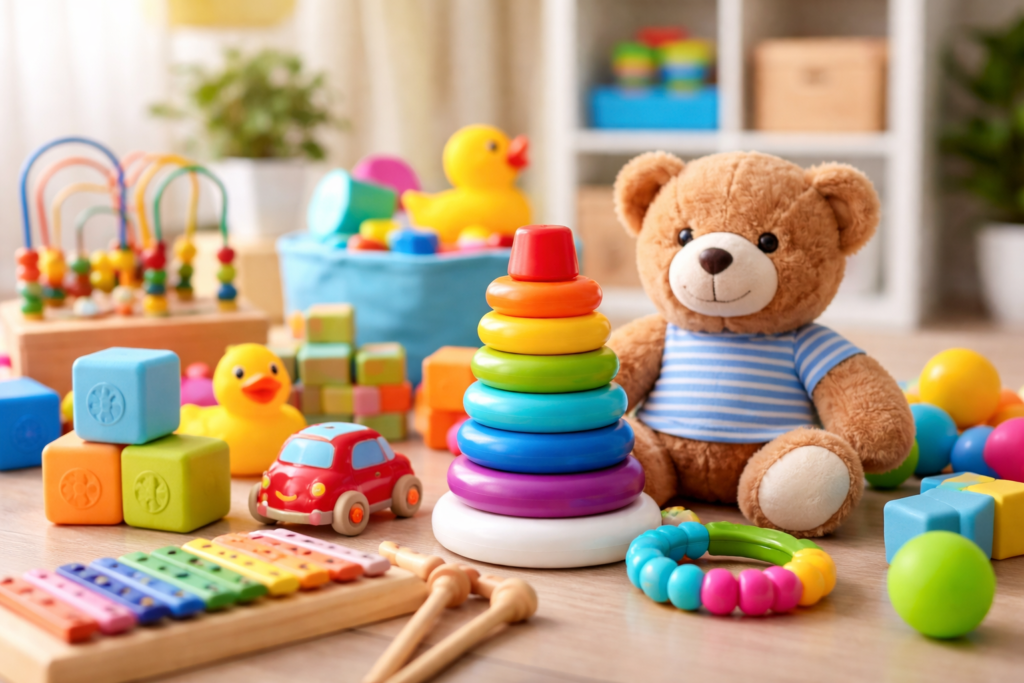
Why Toy Safety Matters More Than You Think
Toys play a vital role in a child’s physical, cognitive, and emotional development. However, unsafe or poorly chosen toys can lead to serious injuries, choking incidents, poisoning, burns, and even long-term health problems. According to child safety authorities worldwide, thousands of children are treated each year for toy-related injuries—many of which are preventable.
Understanding toy safety tips and learning how to choose safe toys for children is a critical responsibility for parents, guardians, and caregivers. This guide provides practical, age-appropriate, and professional safety advice to help you make informed decisions and create a safer play environment for children at home, school, and daycare.
Common Toy-Related Hazards Parents Should Know
Before buying or giving a toy to a child, it is essential to understand the most common toy safety risks.
Choking and Suffocation Hazards
- Small parts that can fit into a child’s mouth
- Detachable components such as buttons, beads, or batteries
- Plastic packaging and thin films
Toxic Materials and Chemicals
- Lead-based paint
- Phthalates and harmful plastics
- Poor-quality dyes and coatings
Sharp Edges and Pinch Points
- Broken or poorly manufactured toys
- Metal or brittle plastic parts
- Hinges or moving components
Electrical and Battery Risks
- Button batteries
- Poorly insulated wires
- Overheating electronic toys
Understanding these hazards is the first step toward preventing toy-related injuries.
Age-Appropriate Toy Selection: A Critical Safety Rule
One of the most important toy safety tips is choosing toys that match a child’s age and developmental stage.
Toys for Babies and Toddlers (0–3 Years)
- Avoid toys with small parts or detachable pieces
- Choose soft, washable, and non-toxic materials
- Ensure toys are too large to be swallowed
- Avoid toys with strings or cords longer than 30 cm
Safety Tip: If a toy can fit inside a toilet paper roll, it is a choking hazard for young children.
Toys for Preschool Children (3–5 Years)
- Select sturdy toys with rounded edges
- Avoid toys with sharp points or fragile parts
- Choose simple, well-constructed puzzles and building toys
- Ensure paints and materials are certified non-toxic
Toys for School-Age Children (6+ Years)
- Follow manufacturer age recommendations strictly
- Supervise use of science kits, craft tools, and sports toys
- Check electrical toys for safety certification and proper insulation
How to Read Toy Labels and Safety Warnings
Toy packaging contains critical safety information that should never be ignored.
What to Look for on Toy Labels
- Recommended age range
- Safety certification marks
- Clear manufacturer information
- Warning labels about choking or electrical hazards
Trusted Safety Certifications
Depending on your region, look for recognized safety standards such as:
- National or regional consumer safety approvals
- Quality assurance marks
- Compliance with child product safety regulations
Avoid toys without labeling, instructions, or identifiable manufacturers.
Material Safety: Choosing Non-Toxic and Durable Toys
Children explore the world by touching, chewing, and handling toys, making material safety essential.
Safe Toy Materials
- Solid wood with smooth finishes
- Food-grade silicone
- BPA-free, phthalate-free plastics
- Natural fabrics like cotton or wool
Materials to Avoid
- Toys with strong chemical smells
- Poor-quality plastics that crack easily
- Painted surfaces that chip or peel
Pro Tip: If a toy smells strongly of chemicals, it may contain harmful substances.
Battery-Operated and Electronic Toy Safety
Electronic toys require extra attention due to electrical and battery hazards.
Safety Tips for Electronic Toys
- Ensure battery compartments are secured with screws
- Keep button batteries locked away from children
- Inspect wires and connections regularly
- Remove batteries when toys are not in use
Button batteries pose a serious internal injury risk if swallowed and should be treated with extreme caution.
Second-Hand and Hand-Me-Down Toys: Are They Safe?
While reused toys can be economical and environmentally friendly, they require careful inspection.
Safety Checklist for Used Toys
- Check for recalls on the product
- Inspect for damage, rust, or loose parts
- Remove outdated toys that no longer meet safety standards
- Clean and disinfect before use
Avoid very old toys that may contain lead paint or unsafe materials.
Toy Maintenance and Regular Safety Checks
Even safe toys can become dangerous over time if not maintained properly.
Ongoing Toy Safety Practices
- Inspect toys weekly for damage
- Discard broken or cracked toys immediately
- Store toys properly to prevent damage
- Keep small toys away from younger children
Creating a routine toy inspection habit significantly reduces injury risks.
Teaching Children Safe Play Habits
Toy safety is not only about buying the right products—it also involves education.
How to Promote Safe Play
- Teach children to tidy up after playtime
- Encourage age-appropriate toy sharing
- Explain why certain toys are unsafe
- Supervise play, especially with new toys
Safe behavior combined with safe toys creates a protective play environment.
When to Replace or Dispose of Toys
Knowing when to let go of a toy is just as important as choosing the right one.
Replace Toys When:
- Parts are missing or broken
- Sharp edges appear
- Electronic components fail
- The toy no longer suits the child’s age
Dispose of unsafe toys responsibly to prevent reuse by other children.
Frequently Asked Questions (FAQs)
What is the biggest toy safety risk for young children?
Choking hazards from small parts and button batteries remain the leading risks.
Are expensive toys always safer?
No. Safety depends on design, materials, and certification—not price.
How often should toys be inspected?
Ideally once a week and immediately after rough play.
Are handmade toys safe for children?
They can be, but only if non-toxic materials and child-safe designs are used.
Final Thoughts: Making Toy Safety a Daily Priority
Choosing safe toys for children is an ongoing responsibility that goes beyond the purchase stage. By understanding toy hazards, reading labels carefully, selecting age-appropriate products, and maintaining toys regularly, parents and caregivers can significantly reduce the risk of injuries.
Toy safety is not about limiting fun—it’s about ensuring children can play, learn, and grow in a secure and healthy environment.
Safe toys today create safer childhoods tomorrow.