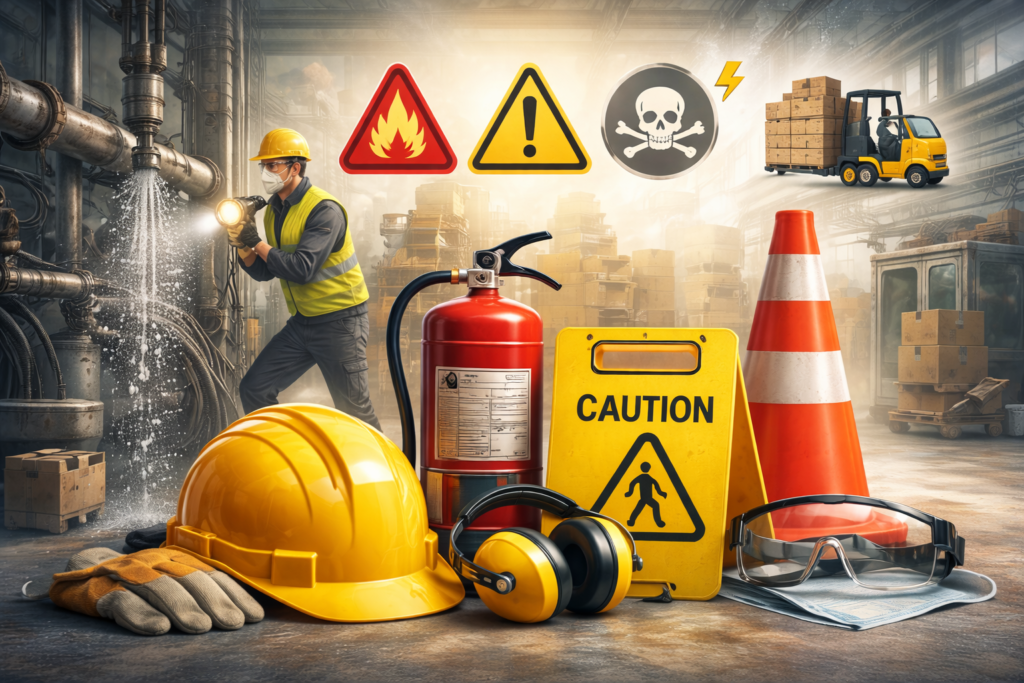

Workplace safety is not just a regulatory requirement or a box to tick—it is a fundamental responsibility that protects lives, sustains businesses, and strengthens society. Every worker deserves to return home safe and healthy at the end of the day, and every organization benefits when safety is treated as a core value rather than an afterthought.
As a safety professional, I can confidently say that workplace safety is one of the most important pillars of sustainable operations, regardless of industry—construction, manufacturing, oil & gas, healthcare, logistics, offices, or remote work environments.
This article explores why workplace safety is important, from human, legal, operational, financial, and cultural perspectives, with practical examples and real-world relevance.
1. Protecting Human Life and Health
At its core, workplace safety exists to prevent injury, illness, and death.
a. Preventing Fatalities and Serious Injuries
Unsafe acts and conditions can lead to:
- Falls from height
- Electrocution
- Caught-in or struck-by incidents
- Fires and explosions
- Vehicle and machinery accidents
Strong safety systems—risk assessments, procedures, training, and supervision—dramatically reduce these risks.
b. Preventing Occupational Diseases
Not all workplace harm is immediate. Many illnesses develop over time, such as:
- Respiratory diseases from dust, fumes, and chemicals
- Hearing loss from prolonged noise exposure
- Musculoskeletal disorders from poor ergonomics
- Stress, anxiety, and burnout from unsafe work pressures
Workplace safety ensures long-term health protection, not just accident prevention.
2. Legal and Regulatory Compliance

Every country has occupational health and safety laws that employers must follow.
a. Avoiding Legal Penalties
Failure to comply with safety regulations can result in:
- Heavy fines
- Shutdown of operations
- Loss of operating licenses
- Criminal prosecution of managers and directors
Compliance protects organizations from legal and reputational damage.
b. Meeting Industry Standards
Beyond laws, many industries follow international or corporate standards. Adhering to these standards:
- Demonstrates professionalism
- Builds trust with clients and regulators
- Enables participation in high-risk or high-value projects
3. Reducing Accidents, Incidents, and Near Misses
A safe workplace is a predictable workplace.
a. Fewer Accidents = Better Control
Effective safety management reduces:
- Lost Time Injuries (LTI)
- Medical treatment cases
- Equipment damage
- Environmental spills
b. Learning from Near Misses
A strong safety culture encourages reporting of near misses, allowing organizations to:
- Identify hidden hazards
- Improve controls before injuries occur
- Continuously improve systems
Safety is proactive, not reactive.
4. Improving Productivity and Operational Efficiency
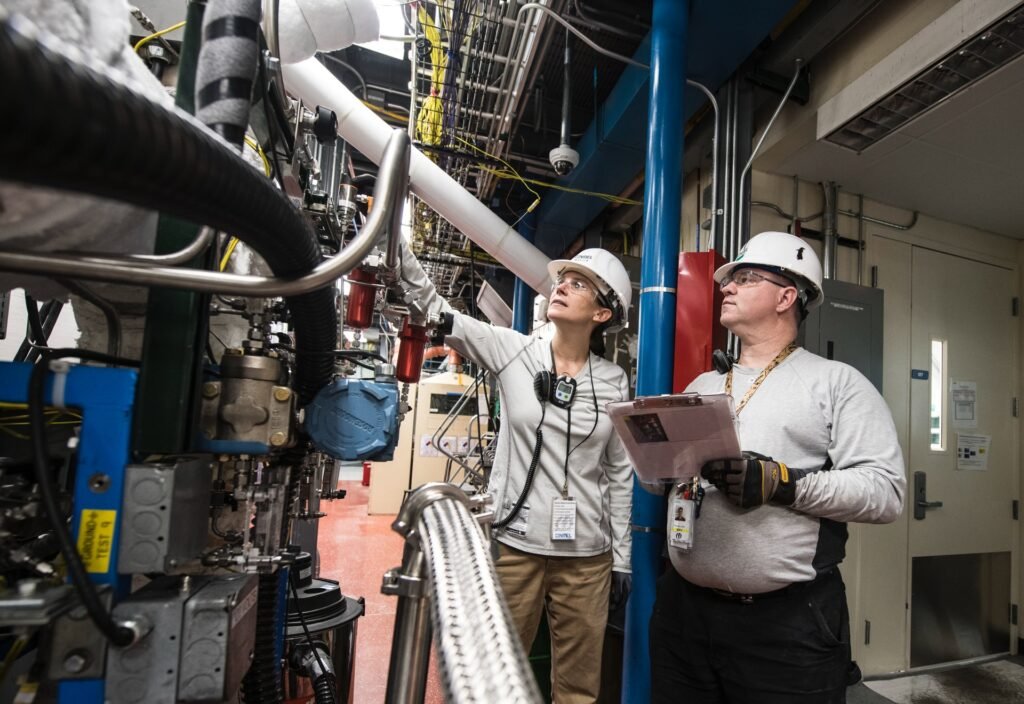
Contrary to the myth that safety slows work down, safe workplaces are more productive.
a. Less Downtime
Accidents cause:
- Work stoppages
- Investigations
- Repairs and replacements
- Staff shortages
Preventing incidents keeps operations running smoothly.
b. Clear Procedures Improve Performance
Well-defined safe work procedures:
- Reduce confusion
- Improve task consistency
- Enhance quality of work
When workers know how to do the job safely, they do it better.
5. Financial Benefits and Cost Reduction
Workplace accidents are expensive.
a. Direct Costs
- Medical treatment
- Compensation claims
- Equipment repair
- Legal fees
b. Indirect Costs (Often Higher)
- Lost productivity
- Training replacement workers
- Reputational damage
- Increased insurance premiums
Investing in safety is far cheaper than paying for accidents.
6. Building a Strong Safety Culture
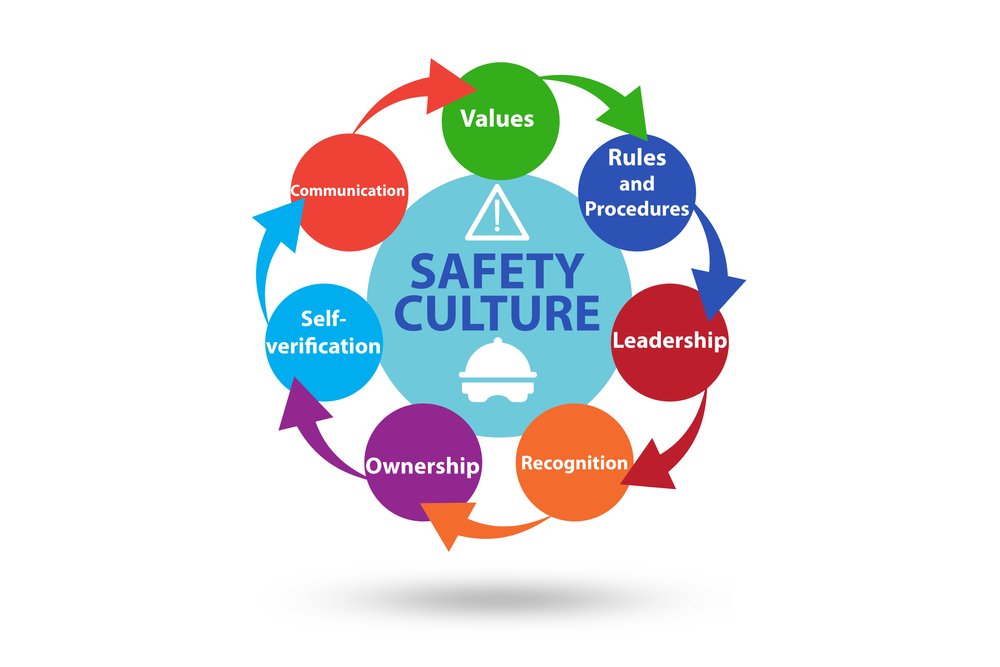
Workplace safety is deeply linked to organizational culture.
a. Employees Feel Valued
When safety is prioritized:
- Workers feel respected
- Morale improves
- Trust in management grows
People perform better when they believe their lives matter.
b. Encouraging Accountability
A strong safety culture promotes:
- Personal responsibility
- Peer-to-peer intervention
- Open communication
Safety becomes everyone’s job, not just the safety department’s.
7. Enhancing Employee Engagement and Retention
Safe workplaces retain talent.
a. Reduced Turnover
Employees are more likely to stay in organizations that:
- Protect their wellbeing
- Invest in training
- Listen to safety concerns
b. Attracting Skilled Workers
Professionals prefer employers with:
- Good safety records
- Strong leadership commitment
- Clear safety policies
Safety is a competitive advantage in today’s labor market.
8. Protecting the Environment and Community
Workplace safety often overlaps with environmental protection.
a. Preventing Environmental Incidents
Good safety practices reduce:
- Chemical spills
- Fires and explosions
- Pollution and contamination
b. Community Responsibility
Incidents don’t stop at the site boundary. Strong safety systems protect:
- Nearby communities
- Public infrastructure
- Company reputation
9. Supporting Emergency Preparedness and Resilience
No workplace is risk-free—but preparedness makes the difference.
a. Emergency Response Readiness
Safety programs ensure:
- Trained emergency teams
- Clear evacuation plans
- Effective communication systems
b. Business Continuity
Organizations that plan for emergencies recover faster and suffer fewer long-term impacts.
10. Ethical and Moral Responsibility
Beyond laws and profits, workplace safety is a moral obligation.
- Every injury is preventable
- Every life has value
- No job is worth a human life
Organizations that prioritize safety demonstrate integrity, leadership, and respect for humanity.
Common Misconceptions About Workplace Safety
- “Accidents are part of the job.” → False. Most accidents are preventable.
- “Safety is the safety officer’s responsibility.” → False. Safety is everyone’s responsibility.
- “Safety costs too much.” → False. Accidents cost far more.
Conclusion: Safety Is Not Optional—It Is Essential
Workplace safety is important because it:
- Saves lives
- Protects health
- Improves productivity
- Reduces costs
- Builds trust and culture
- Ensures legal compliance
- Supports long-term business success
A truly successful organization is not measured only by profit or output, but by how well it protects its people.
Safety is not a priority that can change—
It is a value that must remain constant.
Final Thought for Leaders and Workers
If you remember one thing, remember this:
Every accident prevented is a life protected.
Every safe decision matters.